
The "Archaeometry and Archaeometallurgy" educational program is designed to train highly qualified specialists and researchers skilled in modern physical, chemical, materials science, and digital methods for analyzing archaeological and metallurgical objects. Graduates will be able to conduct independent scientific research, interpret the structure, composition, and origin of historical metals, reconstruct ancient technologies, and apply their research findings in museums, research centers, laboratories, and cultural heritage preservation projects.
Graduate's area of professional activity:
Field of professional activity of graduates of the master's program is associated with scientific research and analytical activities in the field of studying ancient metallurgical technologies and historical metallic materials using modern physical, chemical, materials science and digital analysis methods.
Graduates pursue professional careers in an interdisciplinary environment at the intersection of archaeology, archaeometallurgy, materials science, and engineering, participating in research into ancient mining and metallurgy, projects to preserve metal archaeological objects, and the digital reconstruction of technological processes.
Areas of professional activity include research and educational organizations, museums and restoration centers, archaeological and expert laboratories, as well as projects for the preservation and study of metal cultural heritage.
Objects of professional activity of a graduate:
- archaeological and archaeometallurgical objects and materials (metal products, alloys, ores, slags, technical ceramics);
- research and analytical laboratories of archaeometry, archaeometallurgy and materials science;
- museums, restoration and expert centers for the preservation of metal cultural heritage;
- archaeological expeditions and projects to study ancient mining and metallurgical production;
- digital research projects and databases related to the analysis and reconstruction of ancient metallurgical technologies.
Master's degree in educational program "Archaeometry and Archaeometallurgy" is preparing for the following types of professional activities:
- scientific research;
- analytical (archaeometric and archaeometallurgical);
- design (reconstruction and modeling of ancient metallurgical technologies);
- expert and consulting;
- educational (in the field of higher education and scientific education) .
As a result of mastering this Master's degree program, the graduate will develop the following competencies:
a) general cultural competencie
The graduate is able to:
- analyze modern scientific problems and trends in the development of science and technology;
- apply the philosophical and methodological foundations of scientific knowledge in professional activities;
- carry out professional communication in oral and written forms in Russian and English;
- comply with the principles of academic ethics and scientific integrity;
- work effectively in interdisciplinary and international research teams.
b) professional competencies
The graduate is able to:
- apply modern physical, chemical and materials science methods of analysis in archaeometallurgical research;
- analyze the composition, structure and properties of historical metals and alloys, interpret the technological processes of ancient metallurgical production;
- conduct comprehensive archaeometallurgical studies of mining and metallurgy sites;
- use digital technologies (GIS, 3D modeling, data analysis and machine learning methods) to reconstruct ancient metallurgical technologies;
- plan and carry out independent research work, prepare scientific reports and publications;
- participate in expert and project activities in the field of study and preservation of metal cultural heritage.
Objectives of Master's degree program:
To train highly qualified applied specialists with interdisciplinary knowledge and practical skills in archaeometallurgy and archaeometry, capable of applying modern physical, chemical, materials science, and digital analytical methods to research, interpret, and reconstruct ancient metallurgical technologies.
The university's faculty includes highly qualified specialists with academic degrees and titles, as well as experienced practitioners, enabling graduates to become competitive professionals. Furthermore, master's students participate in master classes and seminars led by visiting scholars from Japan, the UK, Germany, Russia, Ukraine, and Poland.
Leading lecturers of the OP:
- teachers and researchers in the field of metallurgy, materials science and archaeometry (candidates, PhD, doctors of science);
- specialists with experience in analytical laboratories, museums and archaeological excavations;
- invited foreign scientists and experts in archaeometry and digital analysis methods.
Research work of master's students:
The master's degree program curriculum includes two types of internships: teaching and research.
The resources of the Kazakh-German Institute (KNI) and the Altyn Altai Museum will be used to conduct the research work of master's students within the framework of the "Archaeometry and Archaeometallurgy" program.
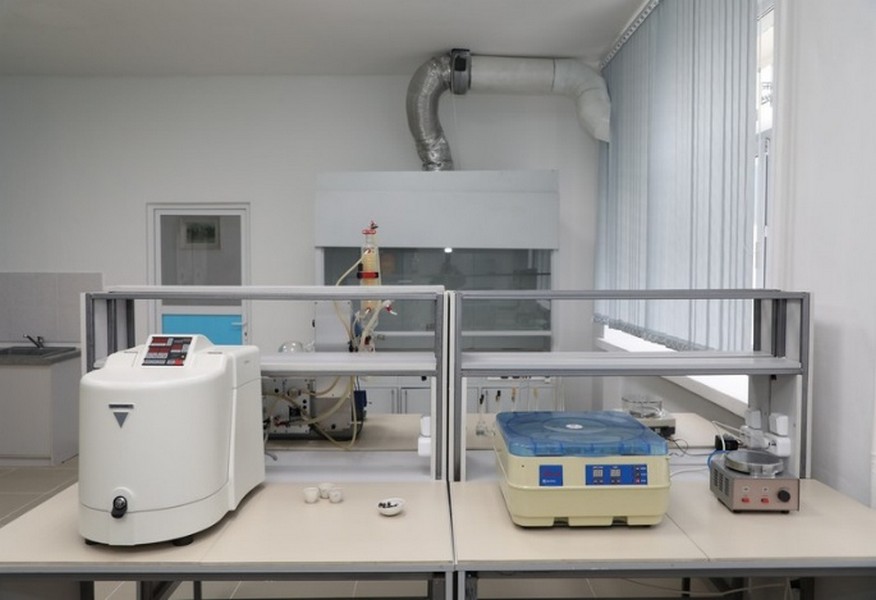
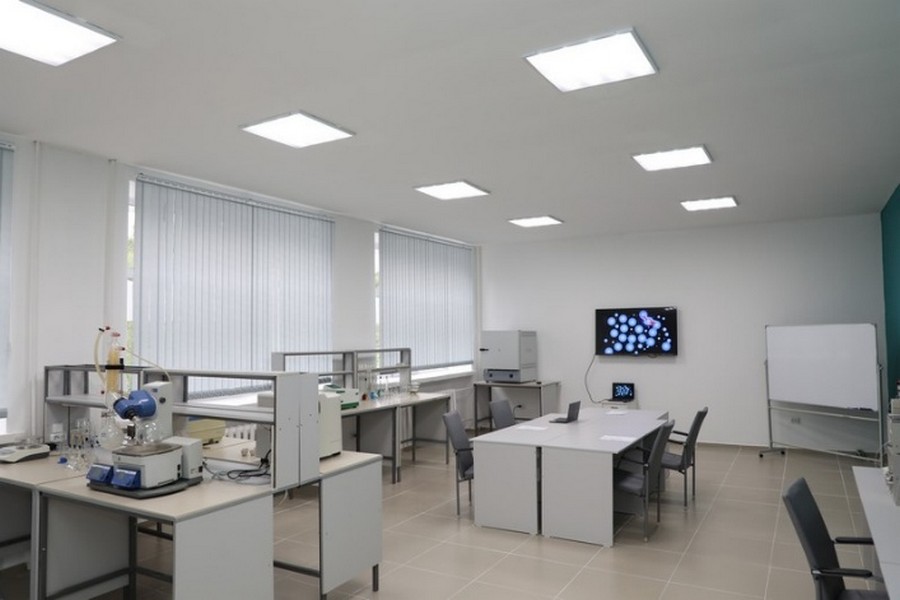
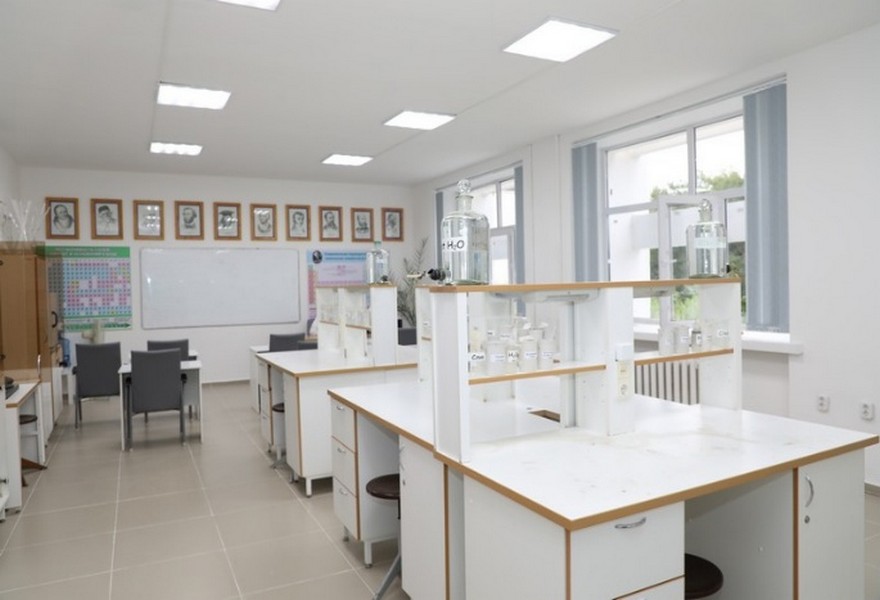
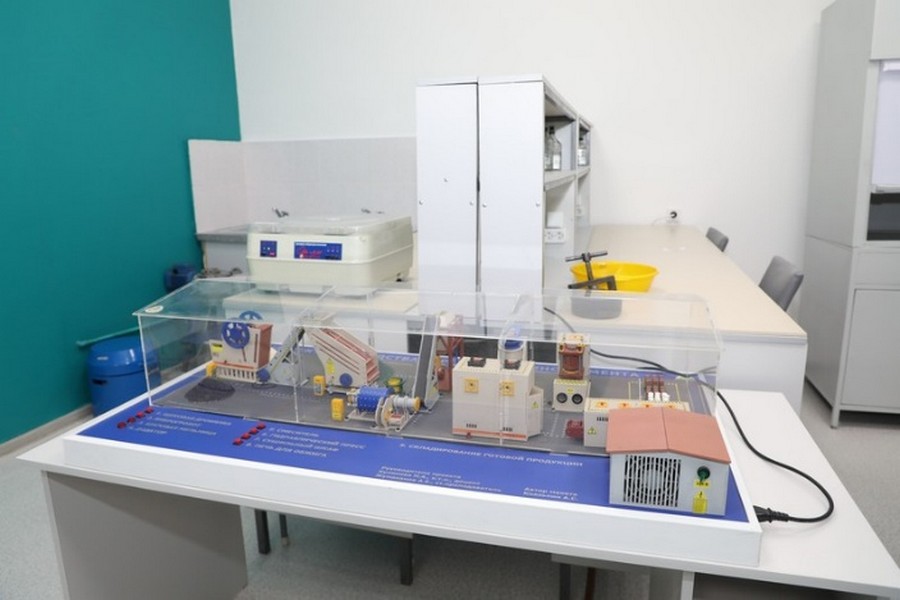
The Kazakh-German Institute (KNI) implements joint scientific projects and research, and operates modern laboratories and research centers where master's students master high-tech analytical methods and conduct experiments in materials science and archaeometallurgy. These laboratories provide targeted training for researchers capable of developing new knowledge, technical solutions, and innovative developments for metallurgical and research enterprises.
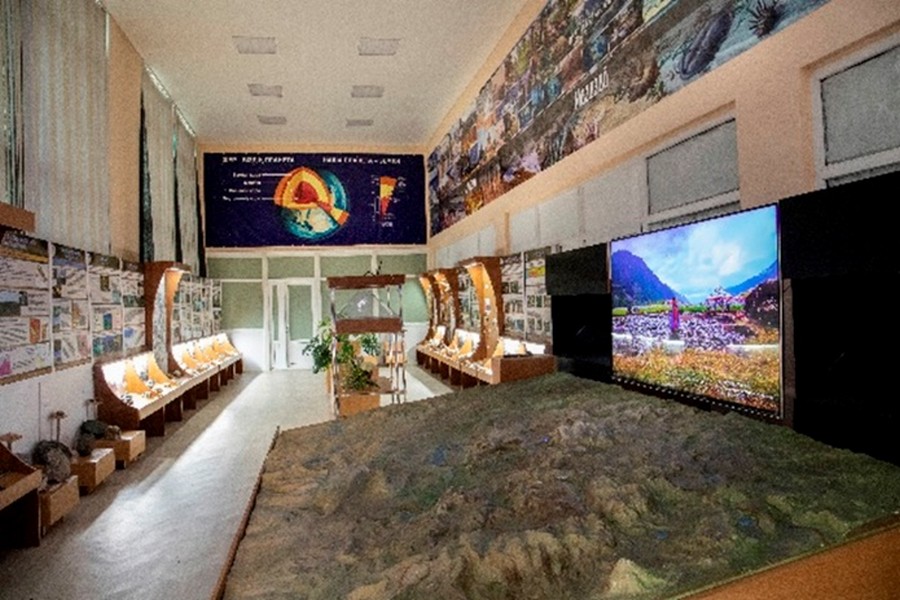
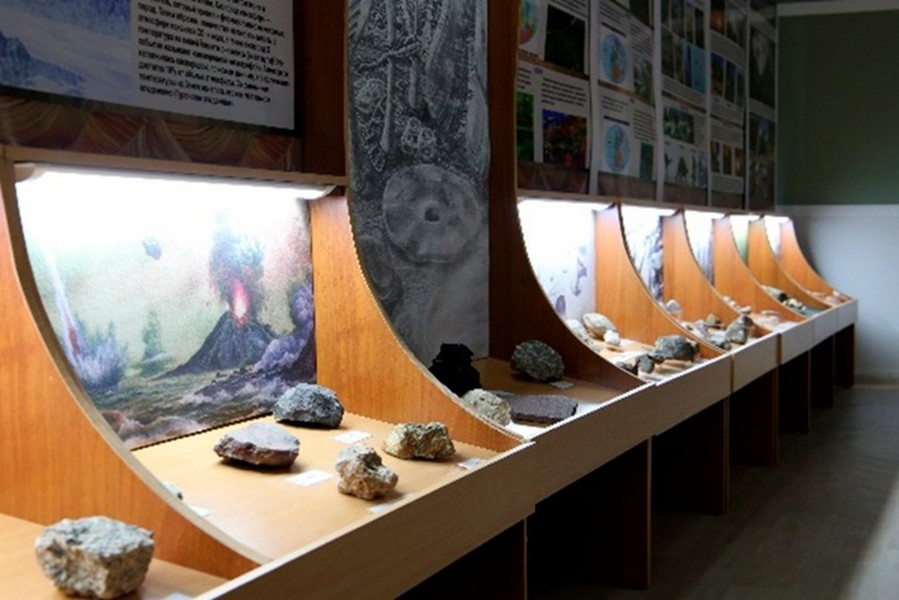
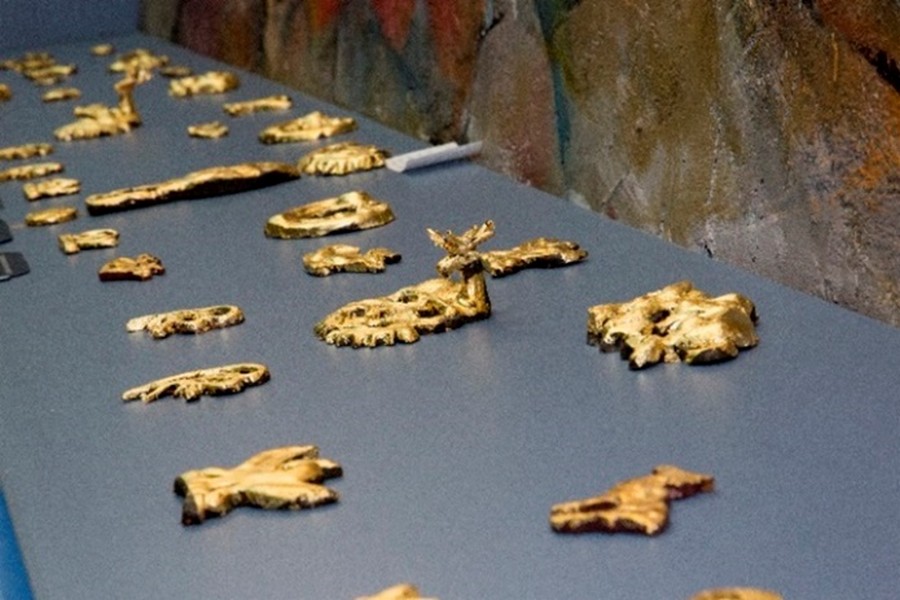
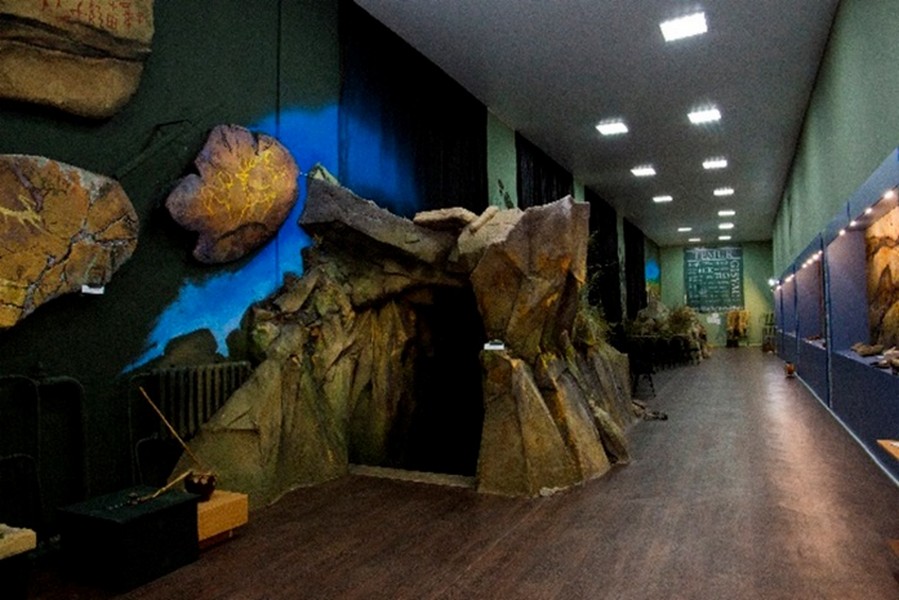
The Altyn Altai Museum offers unique opportunities for the study of historical metals and technologies. Here, graduate students can participate in projects developing concepts of ancient mining and metallurgy, studying the geological structure of regions, the accumulation of ancient knowledge, and the formation of cults, allowing for the direct integration of historical and archaeological data into research and education.
02.02.2026
